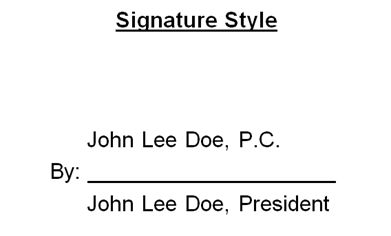
A “professional corporation” is a corporation organized for the sole and specific purpose of rendering a professional service. A “professional service” is any type of personal service that requires the obtaining of a license, permit, certificate of registration, or other legal authorization. Professionals include accountants, acupuncturists, athletic trainers, attorneys, chiropractors, clinical social worker/ licensed master social worker, dentists, insurance agents, licensed insurance adjusters, licensed marriage and family therapists, licensed professional counselors, massage therapists, medical radiologic technologists, nurses, including advanced practice nurses, nurse anesthetists, and nurse practitioners, occupational therapists, optometrists, orthotists, paramedics, physical therapists, physician assistants, podiatrists, professional sanitarian, prosthetists, psychologists, respiratory care therapists, speech pathologists/audiologists, and veterinarians. Physicians, surgeons, and other doctors of medicine may form professional associations (see below) but not professional corporations. Engineers and architects may form business corporations but not professional corporations. Other professionals who form professional corporations include cosmetologists, dieticians, mortgage brokers, pharmacists, private security investigators, securities brokers/dealers, real estate agents/brokers, interior designers, court reporters, patent agents, educational diagnosticians, registered lobbyists, social workers and enrolled agents.
PCs were created to help professionals improve benefits and still enjoy limited liability offered by a corporate form of business organization. All shareholders must be licensed to practice the profession and are not excused from personal liability for professional negligence of those they supervise. PCs are taxed as corporations.
Authorization documentation for a professional corporation is the same as for a corporation, including Assumed Name Certificates.
NOTE: The name of a Texas professional corporation is sufficient for purposes of a UCC-1 financing statement only if that name matches the name shown on its Articles of Incorporation or Certificate of Formation.